Market Read · Riviera Maya
Tulum Real Estate in 2026: A Buyer’s Read
The story you have been sold about Tulum real estate is a decade out of date. The pitch — jungle-meets-beach boomtown, pre-construction condos doubling on paper, a new airport about to flood the coast with buyers — described the market of 2018 to 2022. The market of 2026 is a different animal: not a crash, not a boom, but a split. Supply has run ahead of demand in one half of the market and genuine scarcity persists in the other. For a hospitality buyer, the only question that matters is which half a given asset sits in.
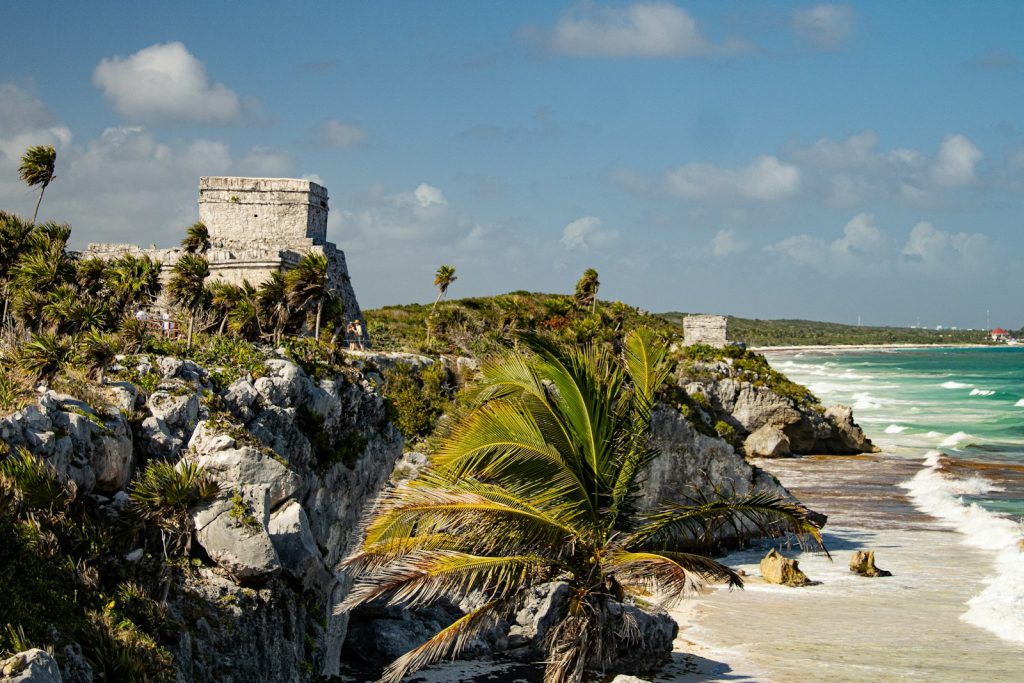
SaltVale underwrites the Riviera Maya from the buy side, and our read on Tulum real estate is unsentimental. The condo-tower segment that absorbed most of the foreign speculative capital is oversupplied and repricing. The cash-flowing, hard-to-replicate hospitality assets — beachfront, hotel-zone, operating boutique product — are where the durable value lives. Treating Tulum real estate as one market is the single most expensive mistake a buyer can make this year.
3–4 years — how long AMPI estimates it will take to absorb Tulum’s current condo inventory at prevailing sales rates.
Tulum real estate is a two-speed market
The headline numbers look benign. Prices in established Tulum neighborhoods are still grinding out 5–10% annual gains, and a true crash is unlikely. But the average masks a widening gap. The condo segment — the towers and pre-construction units marketed hardest to overseas buyers — has already corrected 10–15% off its 2024 peak, and Mexico’s national realtors’ association estimates current inventory could take three to four years to clear. That is not a healthy absorption rate. It is an overhang.
The rental side tells the same story louder. Short-term rental occupancy across Tulum sits in the low-to-mid 40% range, while hotels in the same submarket project occupancy near 90% for the season. A 43% Airbnb occupancy rate against a wall of new condo supply means a price war on nightly rates, and condos are now hard to let on both the short- and long-term markets. Only the very high end — standout villas with real differentiation — is clearing net yields around 8%. The undifferentiated two-bedroom condo bought as a rental play is, for many owners, underwater on its pro forma.
This is exactly the kind of demand divergence our Distress Index was built to track. Tulum’s search and inquiry demand is down roughly 20% year over year while supply kept rising — the textbook setup for selective distress in the oversupplied pockets, even as the trophy assets hold.
What the airport actually tells you
The Tulum Felipe Carrillo Puerto International Airport was supposed to be the catalyst that validated every condo pro forma. It opened in late 2023 with capacity for up to 5.5 million passengers a year. The reality has been more sober: the airport handled about 1.24 million passengers in 2024 and is on track for roughly 1.32 million in 2025 — real growth, but well under a quarter of its rated capacity, and it posted month-over-month declines in parts of 2025.
~1.32M passengers in 2025 against 5.5M of capacity — the airport is filling slower than the towers were built.
Read correctly, the airport is a long-duration tailwind, not a 2026 catalyst. It is steadily attracting a higher-end international traveler who would not sit through the two-hour transfer from Cancun, and over a three-to-five-year horizon that reshapes the top of the market. But it is arriving slower than the supply that was underwritten against it. Any model that assumed the airport would absorb the condo glut on contact has already been proven wrong. That gap — between the demand that was promised and the demand that has materialized — is precisely where mispricing lives.
Where the distress is concentrated
Distress in Tulum is not evenly distributed, and the buyers who lose money here are the ones who treat it as if it were. The pain is concentrated in a specific product: speculative, pre-construction or recently delivered condos, sold to non-resident investors on rental projections that the current occupancy data does not support. That cohort is now competing to rent and to sell into the same thin pool of demand, and motivated sellers are emerging.
The distress is in the retail condo product sold on a fantasy yield. The opportunity is in the operating hospitality the boom overbuilt right past.
What is not distressed: well-located beachfront, hotel-zone land, and stabilized boutique hotels with real operating histories. Those assets were never the speculative trade. They are scarce, they cash flow, and they rarely list openly — which is exactly why a buyer-side process beats scrolling public listings. The deals worth owning in Tulum in 2026 are not the ones being marketed hardest.
Where the buyer-side value sits
For a hospitality investor, the 2026 Tulum real estate thesis is contrarian but simple. The oversupplied condo segment is a warning, not an opportunity — avoid buying into a three-year absorption overhang on a 43% occupancy assumption. The opportunity is to use that very oversupply as negotiating leverage on the assets that do hold value: operating boutique hotels and beachfront positions whose owners are tired, over-levered, or simply caught in the same soured sentiment that is repricing the condos next door.
This is the same pattern that makes a property like The Carmen in Playa del Carmen worth underwriting — an operating asset, mispriced by association with a market everyone has decided to be afraid of, rather than by its own fundamentals. Sentiment that punishes an entire region indiscriminately is a gift to the buyer who underwrites asset by asset.
How to underwrite Tulum real estate in 2026
Three disciplines separate a smart Tulum acquisition from an expensive one this year. First, underwrite to real occupancy, not the broker’s pro forma — if a model assumes 70%+ short-term occupancy on undifferentiated condo product, it is fiction. Run the numbers at 45% and see if the deal still works. Our underwriting tool is calibrated to Riviera Maya hospitality and will surface a going-in cap and stabilized yield-on-cost in minutes.
Second, price the friction. Foreign ownership on the coast runs through a bank trust (fideicomiso), and acquisition costs — transfer tax, notario, and the recoverable 16% IVA on the right deal structure — materially change your all-in basis. Model them before you offer, not after; our closing cost estimator does it line by line.
Third, separate the asset from the narrative. “Tulum” is not an investment. A specific building, in a specific micro-location, at a specific basis, with a specific operating history is an investment. The micro-location dispersion in this market is now so wide that a regional average tells you almost nothing — the gains are uneven and heavily dependent on exactly where, and what, you buy.
Tulum real estate in 2026 rewards the disciplined and punishes the credulous more sharply than it has in years. The boom built a lot of the wrong product, and the market is busy repricing it. That same repricing is opening room to acquire the right product — the scarce, cash-flowing hospitality assets — at a basis the boom never would have allowed. That is the buyer-side trade, and it is the only one we are interested in.
See the off-market deals the listings don’t show
SaltVale surfaces buyer-side hospitality opportunities across the Riviera Maya before they hit the open market. Join Deal Flow for the assets worth underwriting.